












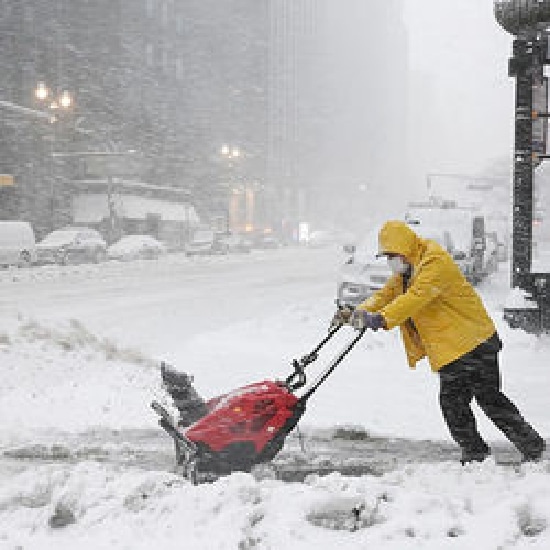
New York State officials have urged New Yorkers to prepare for a significant snowstorm forecast to impact the eastern regions of the state through Tuesday night into Wednesday morning..
Widespread areas of Central New York and Southern Tier regions could get up to 18 inches of snow during this time period. Finger Lakes region may get up to eight inches of snow as a result of the storm.
Snow will be wet and heavy, and gusty winds up to 45 mph on Tuesday will increase the chances of power outages and related impacts.
New Yorkers living and working in these impacted regions should avoid any unnecessary travel as slippery surfaces and reduced visibility will impact commutes all day Tuesday and likely Wednesday morning.
Gov. Kathy Hochul said: “I have directed state agencies to prepare emergency response assets and be ready to assist local governments if needed. Anyone in regions that will be impacted by the storm should prepare for two or three days of snowfall and hazardous travel conditions.”
For real real-time travel information, motorists should call 511 or visit www.511NY.org or the mobile site at m.511ny.org, New York State’s official traffic and travel information source.
Utility companies regulated by the Department of Public Service have approximately 7,500 workers available statewide to engage in repair and restoration efforts for the winter weather system. This includes the following supplemental external resources:
- 765 external line and service workers for National Grid’s East and Central divisions
- 450 external line and tree workers for NYSEG and RG&E.
DPS staff will track utilities’ work throughout the event and ensure utility companies shift appropriate staffing to regions that experience the greatest impact.
The New York State Police will be adding additional patrols and staging snowmobiles and utility terrain vehicles for immediate response in areas that will be impacted by the storm. All four-wheel drive vehicles are in service and all emergency power and communications equipment has been tested.


